Showing posts with label home maintenance. Show all posts

Wednesday, February 6, 2019

Protect Your Home From the Extreme Cold

Many parts of the U.S. have been struck with a snap of subzero temperatures. While keeping themselves warm during the bitter cold, homeowners also need to take precautions to keep their home safe, too.
In Wisconsin's capital, the Madison Water Utility posted a photo on Twitter to show homeowners how a burst pipe can damage a home. The photo was taken at a vacant home in Madison. “They shut the heat off, so then the water burst up in the top level, maybe a toilet or a bathtub, and it obviously just kept leaking and leaking and leaking,” Matt Grauvogl, Madison’s Water Utility Field supervisor, said about the photo to WKOW.com.
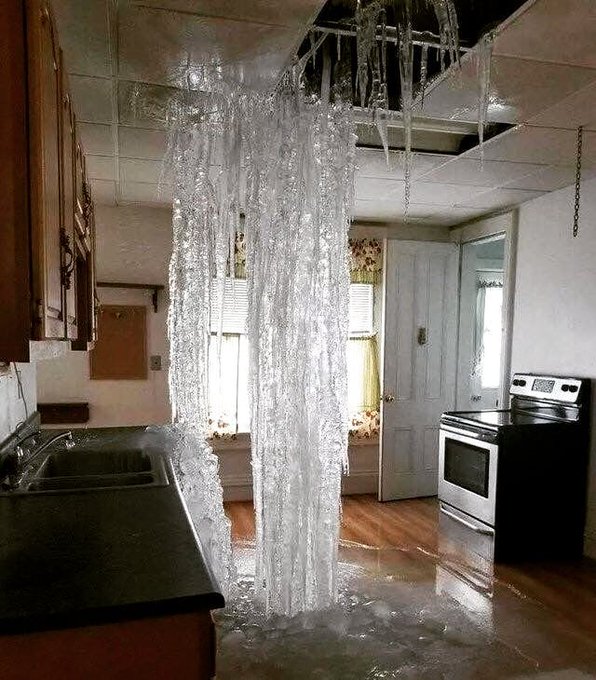
Here are a few tips from the experts to protect a home from the extreme cold:
Open cabinet doors. This may seem unusual, but HouseLogic, a home maintenance and remodeling website operated by the National Association of REALTORS®, suggests opening any cabinet doors covering plumbing in the kitchen and bathroom during cold weather. “This allows the home’s warm air to better circulate, which can help prevent the exposed piping from freezing,” the site notes. “While this won’t help much in pipes hidden in walls, ceilings, or under the home, it can keep water moving and limit the dangerous effects of freezing weather.”
Insulate. Keep drapes and blinds closed except when windows are in direct sunlight. Also, cover window air conditioners and insulate electrical outlets and switches on exterior walls with foam seals, which are available at home centers. Run paddle ceiling fans on low in reverse (clockwise when looking up) to help circulate more warm air, recommends “Today’s Homeowner With Danny Lipford.”
Turn the faucets on inside. Turn the faucets on occasionally to keep water moving through your system and slow down the freezing process. Aim for about five drips per minute, suggests HouseLogic.
Change filters on heaters. A heater needs to be checked annually to help prevent issues later on. But until you can schedule a checkup, change your filters, especially if you haven’t done so in a while. A clogged filter can prevent heat from getting into the home. “It’s no different than our vehicles that require preventative maintenance,” Steve Kistner, general manager at Kalins Indoor Comfort, told KTIV.com. “Our heating and cooling systems need the exact same things so they can work when we all count on them in this extreme cold. Eighty to 90 percent of the calls we go on right now are maintenance-related.” 
Check outdoor connections. Make sure any outdoor spigots on all hoses have been disconnected and the spigots have been turned off and drained, advises the Madison Water Utility.
Shut off water immediately if pipes are frozen. If your pipes are already frozen, turn off the water immediately. Close off any external water sources, such as garden hose hookups. “This will prevent more water from filling the system, adding more ice to the pile, and eventually bursting your pipes—the worst-case scenario,” HouseLogic.com notes. “This will also help when the water thaws; the last thing you want after finally fixing your frozen pipes is for water to flood the system—and thus, your home.”

Originally posted by the National Association of Realtors - Realtor Magazine

Wednesday, January 16, 2019

What to Do ASAP as a New Homeowner (“Future You” Will Thank You)

It’s finally yours. Your very own home. You can paint the walls whatever you like. Heck, even knock out a wall! There’s no landlord to fight you.
But if you’re serious about developing good homeowner habits (so your home makes you richer, not poorer), you’ll use this worksheet the minute you close on your home — if not before. Easier to do now than suffer some head-slapping regrets later.
Things to do after buying a house worksheet for download
If that doesn’t do it for you, here’s a *cheater* version done in the form of 22 tips. You only need scroll:

Security & Safety

These are the very first things you should do after buying a house (for obvious reasons):
1. Change locks. Spares could be floating around anywhere.
2. Hide an extra key in a lockbox. Thieves look under flower pots.
3. Reset the key codes for garage doors, gates, etc. The former owners might’ve trusted half the neighborhood.
4. Test fire and carbon monoxide detectors. Who knows when the last time was. Definitely install them if there are none.
5. Check the temperature on your water heater, especially if you have young ones, so it won’t accidentally scald. Manufacturers tend to set them high. (but the best temperature setting for hot water is 120 degrees).
6. Make sure motion lights and other security lights have working bulbs.
7. Put a fire extinguisher in the kitchen and each additional floor.

Maintenance Planning

Start your master maintenance plan (and good home-keeping habits) by setting reminders in your calendar to do these basic maintenance tasks:
8. Clean out the dryer hose and vent yearly. Clogged ones burn down houses. And you don’t know the last time the previous homeowner did it.
9. Change your HVAC filters at least once a season. You’ll save on heating and cooling — and your unit will last longer. (While you’re at it, go ahead and stock up on them, too.)
10. Schedule HVAC maintenance for spring and fall.
11. Clean your fridge coils at least once a year. It’ll run better and last longer. (Don’t see any coils? Lucky you! Newer fridges often have coils insulated, so there’s no need for annual cleaning.)
12. Drain your water heater once a year.
13. Clean your gutters at least twice a year.
14. And if all items on your inspection report were not addressed, make a plan to fix them — before they become bigger and more expensive repairs.

Emergency Preparedness

You really really don’t want to be figuring any of this out in a real emergency. Do it now. You’ll sleep better and be less likely to ruin your home.
15. Locate the main water shut-off valve. Because busted pipes happen to almost every homeowner at least once. And water damage is value-busting and pricey to fix.
16. Find the circuit box, and label all circuit breakers.
17. Find the gas shut-off valve, too, if you have gas.
18. Test the sump pump if you have one. Especially before the rainy season starts.
19. List emergency contacts. You already know 911. These are the other numbers you often need in an emergency. You should have them posted where they’re easy to see. In fact, here’s a worksheet you can fill out and post.
  • Your utility companies
  • Your insurance agent
  • Plumber
  • Electrician
20. Assemble an emergency supply kit. Some key items are:
  • Flashlights and batteries
  • Non-perishable food and water
  • Blankets and warm clothing
  • A radio, TV, or cell phone with backup batteries

Home & Mortgage Documents

In case there’s a dispute with your mortgage lender or a neighbor over property lines, or if you’re a bit forgetful about due dates.
21. Store copies (the originals should be in a fireproof safe or safety deposit box) of important home documents so they’re readily available. Go paper, cloud, or better, yet, both.
  • Lender contact information
  • Property survey
  • Inspection report
  • Final closing documents
  • Insurance documents
22. Set mortgage and other bills to auto-pay so you’re never late.

Reposted from Coldwell Banker Burnet Blue Mater Blog

Wednesday, July 18, 2018

Most Important Summer Home Maintenance Projects

Being proactive when it comes to your home’s maintenance can save you time and money! Focus on maintaining these 5 areas.

With the bright sunlight and warm temperatures that accompany summer, you may be spending more time outside — and you may be noticing areas of your home’s exterior that need repair. But there’s more reason to tackle your home maintenance projects this summer than simply cosmetic appearance. Maintaining your home will prevent major leaks and damage that may eventually require professional help, usually when its most expensive and inconvenient for you.
Being proactive when it comes to your home’s maintenance can save you time and money, and it makes sense to do it when you’re more likely to be outdoors in the comfortable summer months. Here are five areas of your house that are most important to keep updated.
  1. Windows

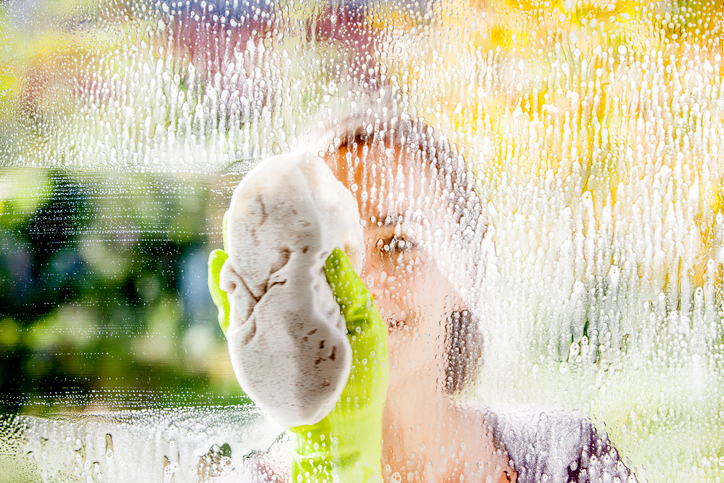
Start by cleaning the exterior of your windows with hot soapy water and a sponge or squeegee. If you’ll need a ladder, make sure to review safety guidelines.
While you’re washing, inspect each window pane for cracks. Double or triple glazed windows with damaged seals or cracks may need to be replaced. Think back: Have your windows had excessive condensation inside through the winter and spring? That’s another sign that the seal might have been compromised and that your window might need to be replaced.
You’ll also want to inspect caulking and weatherstripping around your windows. Recaulk any spots where the caulk is loose or chipping away, or consider applying new caulk for a tight seal. Summer is a perfect time to do this because the warm temperatures and low humidity will help the caulk set perfectly.
Finally, wash window screens and replace any screens that have rips or holes. 
  1. Roof

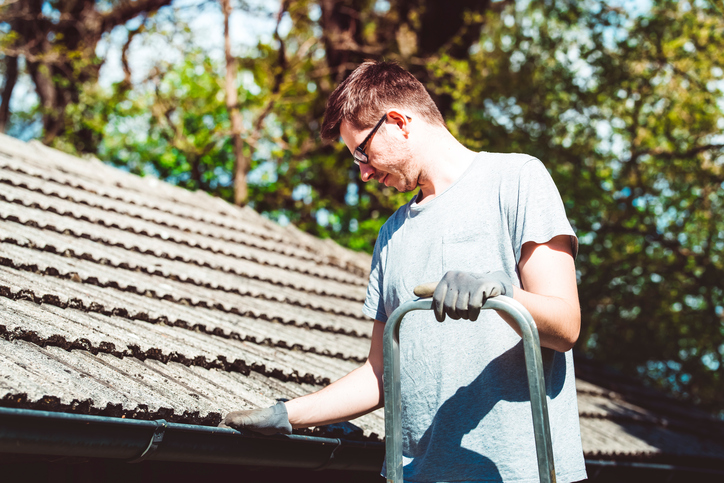
Visually inspect your roof every summer for missing or broken shingles, shakes and panels. Again, if you’ll be using a ladder and climbing up to your roof, make sure you follow safety guidelines. If you have any concerns about using a ladder or moving around on your roof, or if you’re unsteady on your feet, call your roofing company. Most roofers will make inspections and do basic maintenance for you.
While you’re up on your roof, you’ll also want to check flashing and seals around vents, chimneys and skylights. Apply caulk around any areas that haven’t been re-sealed in the past year.
Algae and moss can plague even new and well-maintained roofs. Apply a moss killer designed for roofs or install zinc strips that can help keep algae and moss from taking hold.
Your gutters should be cleaned and checked for holes or other damage. Look for water stains around your gutters and downspouts that indicate a problem.
  1. Exterior

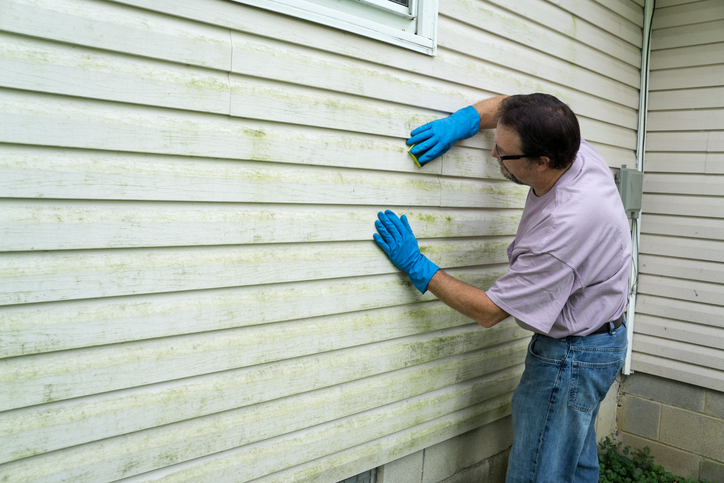
Check high and low over your exterior and look for holes, gaps and cracks in your siding. It’s less expensive to replace siding that is just starting to deteriorate than to wait until it’s broken down completely and impacted your home’s structure, insulation and inside walls.
While you’re walking around your home, look for any signs of pests. Termites and carpenter ants can be devastating to your home’s structure, while ants and wasps can be a nuisance and cause minor damage to your home’s exterior. Check vents and crawl-space access doors to make sure rodents and other wildlife can’t get in.
  1. Foundation

Check your foundation for any cracks and signs that there has been a leak, such as water stains. Any small cracks can be repaired, but larger cracks should be inspected by a pro. Once you repair small cracks, re-seal the foundation with a good waterproof masonry sealer.
Pull out any larger plants growing close to your home that might impact the foundation. Besides the risks of roots growing into your foundation, watering plants close to your home can cause water to pool around the foundation and lead to damage.
  1. Heating and Cooling

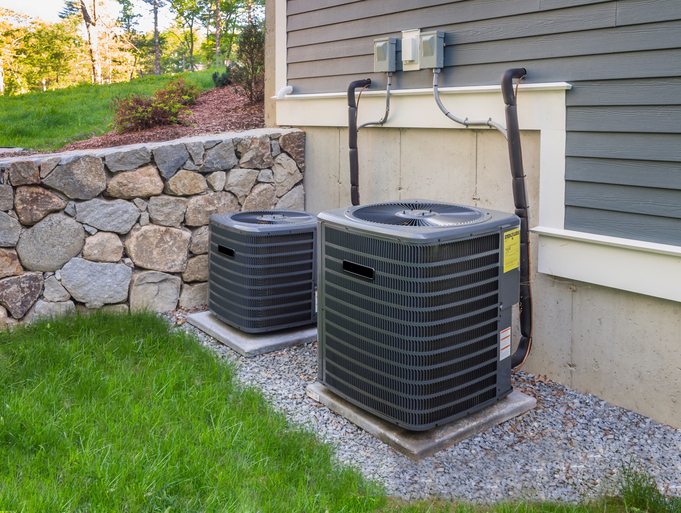
You’re going to want to make sure your air conditioning is ready for the heat ahead, so replace filters and remove and clean your unit’s fan and condenser. Make sure you turn off power to the unit before you tackle any work.
At the same time, your furnace should be checked and readied for use again at summer’s end. Vacuum out the burner and blower cavities, and vacuum and brush the blower blades. Change the filter so the furnace is all ready to go when it’s time to turn it on again.
Your home is a big investment, and it’s important to keep it in good “health.” Spend some of your summer days inspecting and making minor repairs and you’ll reduce your chances of needing a big repair later.

Chelsea McGrath is an Editor at HomeAdvisor with a love for all things home, health, sports and nature.

Wednesday, October 7, 2015

The Dishwasher Debate

If your house is anything like mine, there are multiple personality types living under one roof.  That's a good thing because it teaches us that everyone is not just like us and we rub off on each other, softening the edges.

But when it comes to loading the dishwasher, I think it's safe to say that a personality that thrives on efficiency and organization will tend to be the better dishwasher loader.  Alas, this tends to lead to some frustrations in the household.

In our house, I am the efficient dishwasher maniac.  I have been known to almost empty a full dishwasher in order to stack it more efficiently so that everything will get as clean as possible.

In an effort to help those families that feud over how to load the dishwasher, I'm here to help.  I'm not going on my own authority here, but on advice from various cleaning experts.

Here is a quick primer on how to properly load your dishwasher:

1.  Scrape and Maybe Rinse


Many dishwashers come with a mechanism to grind food particles before they are flushed down the pipes.  But that doesn't mean that you want to overburden it.  Dry scrape all your dishes prior to loading.  If you're going to run your dishwasher immediately or within the next few hours, you don't need to rinse them.  If, however, you're going to let them sit for a bit, rinsing is best.

Alternatively, if you've only half loaded the dishwasher and want to wait to add more, you can run a quick rinse cycle.  But beware.  Dishes rinsed by the dishwasher can look very clean leading some to maybe grab a cup for a glass of water thinking that they are clean, when in fact they aren't.  Devise a system to let others know that these dishes are rinsed, not clean.

And for all you grandmas who like to wash your dishes before you load them in the dishwasher?  Don't.  Just don't.  You're wasting water and your time.  Newer dishwashers (i.e. those manufactured in the last 20 years) can handle almost anything that you throw at them, including (gasp) un-rinsed dirty dishes!

2.  What NOT to Load 


There are some things that just shouldn't go in the dishwasher.  Wooden utensils and any plastic labeled as non-dishwasher safe, should be hand washed.  Additionally, any knives that you want to keep sharp should also be washed by hand.

I personally like to keep my delicate glassware, like wine glasses, out of the dishwasher.  They break so easily and some dishwashers are very rigorous.  I also like to hand wash glass lids for my pans.  I've noticed a tendency for these to shatter after having been in a dishwasher.

3.  Bottom Rack


The bottom rack is for plates and your larger bowls, pots, and cutting boards (unless they are wood).  Yes, all dishwashers are different, but one thing they likely have in common is that the water spray comes from the bottom and jets out from the center towards the edges.

With this in mind, always stack your dishes so that they are facing towards the middle of the dishwasher with bowls and pots facing down.  Do not stack bowls and pans on top of each other or they will not get the proper stream of water.

Load larger, bulky items, like fry pans and cutting boards on the edges.  However, do not place anything in the front in line with the door.  This is where the soap gets dispensed and you want it to reach all the dishes and not be hindered by something in front of it.

4.  Top Rack


The top rack is for glasses, smaller bowls and plastic storage containers so that they are far away from the heating coil.  You can also put larger utensils like ladles and spatulas on the top rack.

Glasses should be placed down and in between the prongs, not over them, and they should not be touching on the sides to prevent chipping.  Small bowls can be lined up at a slight incline and slightly overlapping to prevent water from accumulating on them but to use the space efficiently.

If possible, secure your very light plastic items so that they don't bounce all over and end up full of water.

5.  Silverware


For safety's sake, always place knives with the blade down in your silverware rack.  But other utensils can be placed up or down.  Just distribute them evenly and be sure that like items are not nesting together which will prevent them from getting clean.

Finally, check to make sure there are no utensils that have fallen through the grid that will hinder the rotating spray arm at the bottom of the dishwasher.

6.  Soap


Never use regular dish soap in the dishwasher.  It will cause too much sudsing.  Dishwasher powders, liquids and packets will all do a decent job of cleaning your dishes.  Many dishwashers have two soap dispensers:  one with a door and one that is open.

Fill the dispenser with the door first to the appropriate line, depending on the number and dirtiness of the dishes, then CLOSE THE DOOR. It is timed to open after the dishwasher does some pre-rinsing to soften up the dirt on its own.

Most loads do not require any more dishwasher detergent.  Extra dirty loads may require more soap in the second dispenser.  Trial and error to see how your dishwasher performs under different scenarios is the best way to determine what you need to do.

Follow these tips for sparkling clean dishes every time and a more peaceful time, as well.

Source:  Michelle Schwake for Stafford Family Realtors

Monday, September 28, 2015

Tile Rugs

I love the look of a good rug on a big stretch of floor.  It adds interest and can be used to designate different zones in an open concept floorplan.   What I don't like, is cleaning around and under a rug.  Especially one with fringes.

Installing a tile rug in your floor will add visual appeal without the hassles of maintaining a regular woven rug.  You can clean it right along with the rest of the floor.  And no trip hazards.

Today we've compiled a bunch of beautiful tile rugs for you to enjoy.  Maybe you'll love them so much you'll want to incorporate them into your next project.

Un carrelage de sol comme un tapis:
Source:  marieclairemaison.com


LOVE the stain on the cabinets and trim, plus check out that gorgeous tile detail below the island.:
Source:  mydomaine.com


Floor Transition | Foyer Entry| Herringbone Pattern | Wood Flooring, herringbone inlay in wood floors.:
Source:  interiorsbystudiom.com


Highgate House – Brisbane based interior designers and decorators » Hamilton Residence:
Source:  highgatehouse.com.au


Een portuguese tegelvloer maakt je keuken bijzonder - prachtig!:
Source:  welke.nl

Bonito y recogido piso nórdico de 61m²:
Source:  delikatissen.com


15 Beach Bathroom Ideas - coastal-inspired ideas for Riley/guest bathroom:
Source:  completely-coastal.com


Neisha Crosland Floor Tiles: You'll Never Guess What They're Made Of:
Source:  remodelista.com


Trending: Hexagon Tiles in the Kitchen and Dining Room — Apartment Therapy More  information... http://recipes-food.vivaint.biz:
Source:  feeds.thekitchn.com


Comination of wood and tiles. Misschien een oplossing voor de keuren. Zeker als de kleur van het hout terugkomt in de tegel. De contouren van de tegels zijn goed aangegeven.:
Source:  angieslist.com


Source:  Michelle Schwake for Stafford Family Realtors

Monday, September 21, 2015

A House of Hospitality

It seems that folks don't just pop over for a quick chat anymore.  Entertaining doesn't always have to mean a 10 place setting dinner.  We think we have to go all out to entertain, but the truth is just having the neighbors over for a glass of wine is one of life's simple pleasures and we should all definitely do it more often.

Many of us love the idea of entertaining friends and family in our homes on a regular basis.   The reality is that we find we have a messy home that would take too long to pick up, we don't have adequate food and beverages on hand, or we simply don't think our house is "done" in the decorating department.

To help foster your desire to be hospitable and to have people over regularly, take these tips to have a guest-ready home.

Cleaning For Your Lifestyle


Are you a busy family that only has time for guests on the weekend?  Do you prefer impromptu pop-overs or like to have it scheduled in your planner at least a week in advance?  Do you prefer to have friends over for coffee in the mornings and save evenings for your immediate family?

Knowing the answers to these types of questions will help you figure out a cleaning schedule that will facilitate when you have guests over.

Source:  houselogic.com

If you like weekend guests, then plan to clean and organize on Thursdays.  If you like to have people pop over, do a quick pick up every morning so that your home is presentable (if not deeply cleaned) at a moment's notice.  And if you like morning coffee with the neighbors, get the dishes done the night before and tidy up before bed.

Fabulous Foods


You'd love to invite the new family from church over after services but you realize your cupboards are bare and you have nothing to serve them.  Prevent this from happening by always having a few go-to recipes with the ingredients on hand.

Source:  thekitchn.com

Browse Pinterest and other sites on entertaining to come up with simple but yummy treats that you can either whip up on the spot, or just place out on a nice tray.   Flavored nuts, breads and specialty butters and jams, candies, cheeses and cured meats and even popcorn with unique flavored salts can all be ready in an instant.  As soon as you're out, grab some more at the store so that they're always on hand.

A Bevy of Beverages


Source:  flipboard.com

Many times guests will take a beverage before they'll want food.  Be sure to always have tasty water and ice on hand.  A variety of sodas, seltzers, and juices come in handy as well.  If you like the option of having quick hot beverages you can purchase a single-serving beverage maker like a Keurig which will make coffee, tea, and hot ciders on the spot.   Always have at least one bottle of white wine in the fridge, a bottle of red stored somewhere, and a 6-pack of good beer.  And if you really want to offer the most for your guests, purchase a bartender's guide and stock your bar with liquor and mixes.

Guest-Ready Tips


You want the spaces in your home to feel welcoming for guests.  So no matter how "done" you decorating is, there are a few touches you can add that will help guests feel comfortable in your home.

Leave the light on.  A dark house is unwelcoming.  If you like to have people pop over, keep your front entry light on whenever it's dark outside.  If your living spaces are mostly towards the back of your house, have at least one light on in one front-facing room so that they know someone is home.

Source:  cnbhomes.com

Have a place to put their stuff.  A few extra hooks with nothing on them, a small bench, and a tray for shoes in your entryway all let your guest know that they are welcome.

Source:  Pinterest

Have adequate seating.  If guests like to gather in your kitchen, be sure to have a few stools on hand that you can put out.  If you like to visit in the living room, make sure the seating is geared toward conversation and not necessarily pointed directly towards the TV.  Have comfortable chairs, ottomans and stools that you can quickly pull in from other parts of the house.

Source:  houzz.com

Use your "company" plates.  Those beautiful china dishes you got for your wedding that you only seem to use at Christmas?  Haul them out when guests come.  Use your best dishes, glasses, and silverware.  Alternatively, have beautiful paper plates and napkins on hand for guests.  Grab some anytime you're out shopping at specialty stores and boutiques.

Source:  yelp.com

Break out the good soap.  Stock your bathroom with a basket of nice smelling soaps and lotions.  Have clean hand towels laid out.  Make sure there is plenty of toilet paper.  And have a candle going to block out any unwanted smells.

Source:  prodaval.co

Living with Guests in Mind


When having guests over, obviously you want the rooms that they will be using to be "done" first when it comes to decorating.  That means leaving the bedrooms alone and concentrating on the living room, dining room, and bathroom first.  Also, having a guest room is nice if you plan to have overnight guests.

With that said, many folks feel like their space is never quite designed and decorated the way they want in to be.  It's never "done".  Never let this keep you from having guests over.  Most people are there to see you, not your house.  

So invite your neighbor over for a chat after dinner, host small group at your house, call your friends for coffee, and invite co-workers over after work.  Make your home guest-ready at all times but don't sweat the small stuff.  People are more important than stuff, anyday!

Source:  Michelle Schwake for Stafford Family Realtors

Wednesday, August 26, 2015

Projects To Complete Before It Gets Cold

The hottest days of summer are behind us and kids are getting ready to head to school.  Gone are the busy days of summer when you try to squeeze in every last drop of fun.  It's time to reclaim your weekends.

Fall is a great time to get some house projects done that you didn't get to all summer.  And the weather is perfect...not hot and muggy with flies and mosquitoes, but not frigidly cold either.

We've put together a list of great projects that are perfect for autumn weather.  So put your working gloves on and cross off some jobs from your to-do list.

Steam Cleaning Carpets


Technician cleaning carpet
Source:  angieslist.com

Whether you hire someone to do it or go rent a steam cleaner for your carpets, fall is the perfect time for this task.  With windows wide open and humidity at low levels, your carpets will dry in no time and you won't sweat buckets while you're doing it.

Staining/Painting/Sealing Windows


Source:  The Family Handyman


At a minimum, if you have wood framed windows, you should seal them with a coat of polyurethane each year to prevent fading and rotting of your windows from condensation build up.  Being able to have your windows open with the screens off for this task is essential.  Which makes fall the perfect time for this chore.  Its also a perfect time to change up the look of your woodwork by staining or painting your windows.

Clean Out The Garage


Source:  wisebread.com

Pick a nice weekend, throw open the garage doors and get cracking.  Get rid of junk that has accumulated all year.  Install shelving and systems to hold shovels and rakes.  Sweep and then power wash the garage floor.  Won't it be nice to actually park your car in your garage?

Painting/Staining Furniture or Cabinets


Source:  iheartorganizing.blogspot.com

If you've been meaning to repaint that old dresser or are considering taking on a bigger project like changing the look of your kitchen cabinets, then now is the perfect time.  Now that your garage is all clean, set up shop in there so that you're out of the wind and direct sunlight. Leave the garage doors open for good ventilation.  Be sure outdoor temperatures are above 50 degrees F for paint to properly cure.

Clean The Deck


Source:  builddirect.com

Your deck is a workhorse in the summer.  You eat meals out there and entertain guests.  All the traffic along with taking a beating from the rain and weather, can make your deck look dingy and dirty.  Pull out the power washer and give it a good scrub on a nice sunny fall day.  Follow up with a deck sealer and it will be ready to go next spring.

Planting Trees and Shrubs


Source:  homedepot.com


Fall is a perfect time to plant trees and shrubs.  And the bonus is that many of them are on clearance at landscape centers.  Planting in the fall gives the roots a chance to establish and then next spring it's ready to take off and grow.  Now is also a great time to plant bulbs for spring blooming like tulips and daffodils.


Maintain Outdoor Furniture

Source:  livinghomedesigns.com


It would be a shame to have a sparkly clean deck with grungy furniture.  Now is a great time to do a little maintenance on your outdoor furniture.  Clean off dirt and cobwebs and inspect for repairs.  If you have metal furniture check for rust or flaking paint.  If you have wooden furniture, it might need a good sanding and a coat of polyurethane.


Air Out The Rugs


Source:  pinterest.com

So many homes have wood floors and rely on rugs for comfort underfoot.  Even if you vacuum regularly, there will still be some dirt that has accumulated over time.  One great advantage to rugs is that you can pull them up whenever you want.  Grab your rugs, haul them outside on a nice day, lay them over the deck railing or some sawhorses and give them a good old beating.  You'll be amazed at the dust and dirt that comes flying out of them.  The sunlight will also enable you to spot any stains that you may have missed.  Spot clean your rugs or give them a good all over scrub and let them air dry in the sunshine.  You'll have brighter and cleaner rugs when you bring them back in.


If you're able to accomplish some of these tasks early in the fall, you'll be able to enjoy them for some time before the snow flies.  And if not, then you'll be all ready for spring when it arrives next year.

Source:  Michelle Schwake for Stafford Family Realtors

Wednesday, July 22, 2015

Crafting Better Closets

Most homes built in the last 20 years are fairly generous when it comes to closet space.  But what if you live in an older home and have small closets?

There are ways to maximize your closet space and spruce it up at the same time.  We went looking for some great closets that weren't ginormous.  We've thrown in a few hacks, too, so that you can maximize your space no matter what size closet you have.

Putting the shoes on an end wall is a great way to make the most of a small walk-in closet...kids closet.
Source:  freshome.com


Small Walk In Closet Ideas Pinterest | Best Furniture Design and ideas
Source:  solarelements.biz


Just did a bit of tweaking of my son's closet. Getting the laundry sorter into the closet frees up floor space in the room. Love these easy-to-adjust shelves and rods!
Source:  editedinteriors.ca


Reader Space: A View of a Beautiful Closet
Source:  feedly.com


Hang suitcases in awkward spaces on hooks.
Source:  buzzfeed.com


Hometalk :: How a Girl Built Her Closet - use small cabinets in sides of closet for shoes
Source:  hometalk.com


Hang catchalls on the inside of the door. I'll just put two command hooks to hang in my wardrobe! Perfect for panties, gloves, extras, etc.  | 25 Lifehacks For Your Tiny Closet
Source:  buzzfeed.com


20 Bedroom Organization Tips To Make The Most Of A Small Space
Source:  gurl.com


8a12ed0f1d6486582ea5cd9a7da58d0a
Source:  alittlecraftinyourday.com


9052a7fa8cf17365e655dabbaa7d092b
Source:  alittlecraftinyourday.com


10128d3cd5a072281513b892290fdd8d
Source:  alittlecraftinyourday.com


A good visual for a kids closet, put a low shelving unit below and the hanging area low enough for kids to help put their own clothes away and pick their own everything with storage above for blankets and out of season or too small clothes.
Source:  whowhatwear.com


I love being able to see enough of the drawer contents to know what's in there without having to open it. Great ideas for closet with limited space...
Source:  buzzfeed.com


Source:  Michelle Schwake for Stafford Family Realtors