Showing posts with label Real Estate. Show all posts

Tuesday, March 22, 2022

This Spring Presents Sellers with a Golden Opportunity

If you’re thinking of selling your house this year, timing is crucial. After all, you’ll want to balance getting the most out of the sale of your current home and making the best investment when you buy your next one.

If that’s the case, you should know – you may be able to get the best of both worlds today. Here are four reasons why this spring may be your golden window of


opportunity.


1. The Number of Homes on the Market Is Still Low

Today’s limited supply of houses for sale is putting sellers in the driver’s seat. There are far more buyers in the market today than there are homes available. That means purchasers are eagerly waiting for your house.

Listing your house now makes it the center of attention. And if you work with a real estate professional to price your house correctly, you can expect it to sell quickly and likely get multiple strong offers this season.


2. Your Equity Is Growing in Record Amounts

According to the most recent Homeowner Equity Insight report from CoreLogic, homeowners are sitting on record amounts of equity thanks to recent home price appreciation. The report finds that the average homeowner has gained $55,300 in equity over the past year.


That much equity can open doors for you to make a move. If you’ve been holding off on selling because you’re worried about how rising prices will impact your next home search, rest assured your equity can help fuel your move. It may be just what you need to cover a large portion – if not all – of the down payment on your next home.


3. Mortgage Rates Are Increasing

While it’s true mortgage rates have already been climbing this year, current mortgage rates are still below what they’ve been in recent decades. In the 2000s, the average mortgage rate was 6.27%. In the 1990s, the average rate was 8.12%.

For context, the current average 30-year fixed mortgage rate, according to Freddie Mac, is 3.85%. And while recent global uncertainty caused rates to dip slightly in the near-term, experts project rates will rise in the months ahead. Doug Duncan, Senior Vice President and Chief Economist at Fannie Maesays:


“For homebuyers, we believe that borrowing costs will likely rise with the increase in mortgage rates….”


When that happens, it’ll cost you more to purchase your next home. That’s why it’s important to act now if you’re ready to sell. Work with a trusted advisor to kickstart the process so you can take key steps to making your next purchase before rates climb further.


4. Home Prices Are Climbing Too

Home prices have been skyrocketing in recent years because of the imbalance of supply and demand. And as long as that imbalance continues, so will the rise in home values.

What does that mean for you? If you’re selling so you can move into the home of your dreams or downsize into something that better suits your current needs, you have an opportunity to get ahead of the curve by leveraging your growing equity and purchasing your next home before prices climb higher.


And, once you make your purchase, you can find peace of mind in knowing ongoing home price appreciation is growing the value of your new investment.


Bottom Line

If you want to be successful when you sell and when you buy, this spring could be your golden opportunity. Let’s connect so you have the insights you need to take advantage of today’s incredible sellers’ market. Give us a call at 952-470-2575!

Thursday, March 17, 2022

Expert Insights on the 2022 Housing Market


As we move into 2022, both buyers and sellers are wondering, what’s next? Will there be more homes available to buy? Will prices keep climbing? How high will mortgage rates go? For the answer to those questions and more, we turn to the experts. Here’s a look at what they say we can expect in 2022.

Odeta Kushi, Deputy Chief Economist, First American:

“Consensus forecasts put rates at about 3.7% by the end of next year. So, that’s still historically low, but certainly higher than they are today.”


Danielle Hale, Chief Economist, realtor.com:

Affordability will increasingly be a challenge as interest rates and prices rise, but remote work may expand search areas and enable younger buyers to find their first homes sooner than they might have otherwise. And with more than 45 million millennials within the prime first-time buying ages of 26-35 heading into 2022, we expect the market to remain competitive.”


Lawrence Yun, Chief Economist, National Association of Realtors (NAR):

“With more housing inventory to hit the market, the intense multiple offers will start to ease. Home prices will continue to rise but at a slower pace.”


George Ratiu, Manager of Economic Research, realtor.com:

“We also expect a growing number of homeowners to bring properties to market, taking some pressure off high prices and offering buyers more options.”


Mark Fleming, Chief Economist, First American:

Strong demographic demand will continue to act as the wind in the housing market’s sails.”


What Does This Mean for Buyers?

Hope is on the horizon for 2022. You should see your options grow as more homes are listed and some of the peak intensity of buyer competition starts to ease. Just remember, rising rates and prices are a great motivator for you to find the home of your dreams sooner rather than later so you can buy while today’s affordability is still in your favor.


What Does This Mean for Sellers?

Make no mistake – this sellers’ market will remain in 2022 as home prices are projected to continue climbing, just at a more moderate pace. Selling your house while buyer demand is so high will truly put you in the driver’s seat. But don’t wait too long. With more listings projected to become available, your ideal window of opportunity to stand out from the crowd won’t last forever. Work with an agent who knows your local market and current inventory conditions to ensure you have the support you need to make an educated and informed decision about selling in the coming year.


Bottom Line

If you’re thinking of buying or selling, 2022 may be your year. Let’s connect to discuss your goals and the unique opportunities you have in today’s housing market.

Thursday, March 10, 2022

Want Top Dollar for Your House? Now’s the Time To List It


When you’re selling any item, you usually want to sell it for the greatest profit possible. That happens when there’s a strong demand and a limited supply for that item. In the real estate market, that time is right now. If you’re thinking of selling your house this year, here are two reasons why now’s the time to list.


1. Demand Is Very Strong This Winter

recent article in Inman News explains:


“Spring, the hottest time of year for homebuyers and sellers, has started early, according to economists. . . . ‘Home shopping season appears to already be in full swing!’”


And they aren’t the only ones saying buyers are already out in full force. That claim is backed up with data released last week by ShowingTime. The ShowingTime Showing Index tracks the average number of monthly buyer showings on active residential properties, which is a highly reliable leading indicator of current and future trends for buyer demand. The latest index reveals this December was the most active December in five years (see graph below):


As the data indicates, buyers are very active this winter. Last December saw even more showings than December of 2020, which was already a stronger-than-usual winter. And remember – you want to sell something when there’s a strong demand for that item. That time is now.


2. Housing Supply Is Extremely Low

Each month, realtor.com releases data on the number of active residential real estate listings (listings currently for sale). Their most recent report reveals the latest monthly number is the lowest we’ve seen in any January since 2017.


And don’t forget, the best time to sell an item is when there’s a limited supply of it available. This graph clearly shows how extremely low housing supply is today.


Even Though Supply Is at a Historic Low, Home Sales Are at a 15-Year High

According to the latest Existing Home Sales Report from the National Association of Realtors (NAR), existing-home sales totaled 6.12 million in 2021 – the highest annual level since 2006. This means the market is hot and homeowners are in a great place to sell now while sales are so strong.


NAR also reports available listings by calculating the current months’ supply of inventory. They explain:


“Months’ supply refers to the number of months it would take for the current inventory of homes on the market to sell given the current sales pace.”


The current 1.8-months’ supply is the lowest ever reported. Here are the December numbers over the last five years (see graph below):


The ratio of buyers to sellers favors homeowners right now to a greater degree than at any other time in history. Buyer demand is high, and supply is low. That gives sellers like you an incredible opportunity.


Bottom Line

If you agree the best time to sell anything is when demand is high and supply is low, let’s connect to begin discussing the process of listing your house today.

Friday, November 13, 2020

How to Build a Home Gym Without Breaking the Bank


With many gyms closed or operating at minimum capacity, a home gym has never sounded more appealing. Three out of five Americans are actually turning to home gyms for good, and over half of the population is looking for the best home-fitness options. You can even find affordable home gym equipment that gets the job done just as efficiently as a commercial gym can.

The following is a guest post by Ricardo Mello

With many gyms closed or operating at minimum capacity, a home gym has never sounded more appealing. Three out of five Americans are actually turning to home gyms for good, and over half of the population is looking for the best home-fitness options. You can even find affordable home gym equipment that gets the job done just as efficiently as a commercial gym can.

The Rise of at-Home Fitness

Americans are exercising 25 percent more than they were before the quarantine and the majority of them are now convinced you don’t need a gym to get fit, according to OnePoll. The poll also shared that the respondents have spent $95.79 on average on home fitness products. 

Some Americans are just simply bored and have replaced pre-Covid outings with working out safely from their home. This healthy decision does come at a cost but includes overall savings compared to a gym membership. To help with your home gym efforts, I’ve gathered some resources and low-budget products that will help you get fit without breaking the bank.

Space Saving Ideas

We all don’t have a dedicated fitness room in our home, so it can be beneficial to find compact home gym equipment and dual-purpose products. Try a door pull-up bar or punching bag that’s discreet and doesn’t need any complicated installation. You can also take advantage of mini steppers that help you meet your cardio goals while taking up limited space in your home, and resistance bands can adjust the difficulty of workouts while being applied to numerous types of equipment and exercises. 

DIY Gym Equipment

If you’re feeling handy, you can build your own workout equipment from the comfort of your own home. You can use pipes to create a pull-up bar, squat rack, gymnastics bar, weight rack, and even monkey bars if you want to turn your home into a home gym playground. If you have carpentry skills, you can make a dip station or pull blocks out of plywood.

Digital Personal Trainers

The modern digital era has made it easier than ever to receive fitness training from home, and even on a budget. We’re not all familiar with the proper workouts for our particular goals, so training sessions are a great way to receive instructions on how to safely and effectively achieve the results you’re looking for. 

Personal trainers typically cost up to $400 a month, but now you can access free Youtube videos, affordable online training subscriptions, and technology products that keep track of your activity and health. More and more Americans are purchasing fitness watches such as Fitbit and the Apple Watch, and these devices are great at helping you stay on track with your fitness goals. Smart assistants can also guide you to success with personal training apps.

Get Active From Home

Technological advances and the rising market of home gym equipment have made it easier than ever to create a home gym. You can use this time in quarantine to work on some DIY projects to create your own equipment, and also find some great deals on compact and dual-purpose products that can safely be delivered to your home. Take advantage of your time at home to improve your health and wellness, and save some money too.

 Ricardo Mello is the co-founder and Managing Partner of Manhattan Miami Real Estate. He helps clients all over the globe invest in residential real estate in NYC and Miami. He’s a licensed realtor in Florida. His work has been featured on Inman, Realtor Magazine, The Close, and NextAdvisor.


Originally posted on Coldwell Banker Blue Matter Blog

Tuesday, November 10, 2020

Weekly Market Activity Report For Week Ending October 24, 2020

 Freddie Mac reported that the 30-year fixed-rate mortgage hit a new all-time low this week, dropping to an average of 2.8% with .6 points. Record-low rates, coupled with continued strong buyer demand seen in recent months, should continue to support an active market in the coming weeks in what is normally a slower time of year. 


In the Twin Cities region, for the week ending October 24: 

 • New Listings increased 8.1% to 1,361 

 • Pending Sales increased 27.0% to 1,422 

 • Inventory decreased 29.7% to 8,971 


For the month of September: 

 • Median Sales Price increased 10.8% to $310,000 

 • Days on Market decreased 15.9% to 37 

 • Percent of Original List Price Received increased 2.0% to 100.5% 

 • Months Supply of Homes For Sale decreased 33.3% to 1.8


Publish Date: November 2, 2020 • All comparisons are to 2019 All data from NorthstarMLS. Provided by Minneapolis Area REALTORS®. Report © 2020 ShowingTime.

Thursday, January 16, 2020

4 Investments Worth Making in Your First Home

You’ve just bought your first home – congratulations! Now it’s time to make your home feel like, well, home by undertaking some long-term investments that will not only look beautiful, but will also last you for years to come.


The following is a guest post by Suhayl Laher
In today’s post, we’re offering some advice for first-time homeowners on areas where spending a little bit more is likely to pay off in the long-run. From valuable aesthetic updates in key areas such as the kitchen, bathroom and living room to installing smart heating systems and insulation to prioritize energy efficiency, our tips will leave you inspired to make the most out of your first home update.
Replace flooring
Flooring has the power to change a room entirely, so it should go without saying that this is an essential aspect of the home where you should consider spending a little extra. Since flooring in areas such as the hallway, kitchen and bathroom is likely to undergo high footfall traffic, your material choice should always look to combine durability with that visual wow-factor where possible.
When it comes to updating your flooring, choose neutral colors to create a luxe look that goes the distance. Generally, neutral colors offer you the freedom to change your furniture or accessories without updating all the fixtures and fittings in the process, and will even allow you to keep up with trends as they change.
Whether you’re opting for some stylish, large format floor tiles which offer a contemporary touch in the kitchen or some hardwood flooring which adds warmth to your living room, quality flooring is a great way to add personality to a new space from the off – meaning showing your floors a little TLC should be high up on your list of investment priorities.
Update key areas of the home
As the hub of the home where friends and family alike come together to relax, the living room is the best place to start when it comes to fixtures and fittings. Lighting can have a huge impact on the overall aesthetic in your living room – so it’s worth spending a little bit more on lamps or downlighters to add that cozy, homely touch to the lounge.
Additionally, art is a great way to change the ambiance in your living room, so choosing pieces with comfort and calmness in mind is a great way to add a tranquil theme that makes you feel right at home from the get-go.
Naturally, ensuring your bathroom looks fresh, well maintained and hygienic is important when moving into any new home. Modern or high tech touches are an effective way to add an extra luxe appeal, so consider investing in a rain shower or waterfall taps to create a relaxing oasis that washes away the stresses of moving and unpacking.
Elsewhere in the home, high-end fittings such as granite or quartz worktops are practical choices that will go the distance. Though these may be a high investment initially, investing in durable, hard-wearing and practical materials in areas of frequent use ensures longevity and, as such, a great return on your investment in the long-run. 
Photo by Andrea Davis on Unsplash
Invest in quality furniture
Nothing makes a house feel like home quite like furniture – after all, furniture is the most effective way of adding character to any space. When opting for your style, try to prioritize items that will stand the test of time, as this will ensure your first few years in your new home isn’t spent constantly renovating in-line with the latest trends.
When choosing timeless furniture, wood is often the first material which springs to mind. While solid wood is often more expensive than other types, it boasts a distinctive aesthetic and durability that will look great year after year. Whether you’re purchasing an oak cabinet for the living room or some luxury walnut bedroom cabinets, solid wood is an effective way to add a high-end, comforting appeal to your home.
Prioritize energy efficiency
Energy efficiency is now one of the highest priorities for homeowners as it can make a significant difference in the cost of utility bills. While adding energy-efficient features may be a large initial investment, the sooner you start making the changes, the greater your savings will be – so we recommend optimizing your new home right away. 
Some essential areas to evaluate energy efficiency are the boiler and the loft. Poorly insulated lofts can be a major cause of energy wastage, even if all of your other appliances are in premium condition. If appliances such as your boiler aren’t in a premium condition, however, this could only add more costs to your energy bills, particularly if it breaks down during the winter months.
To keep track of your heating usage and spot issues early, a smart heating system is a great way to monitor your spending. Smart heaters allow you to add more thermostats and controls to different rooms, including hot water and heating – making this a logical investment for any first home.
Photo by Francesca Tosolini on Unsplash
It’s easy to get caught up in the hustle and bustle of moving house, but with our tips, we hope you’ll be on your way to making worthwhile investments in your first home. If you’re still in search of that dream first house, contact your local Coldwell Banker Real Estate affiliated office to help make the process of buying a house trouble-free.
Originally Posted by Coldwell Banker Blue Matter 

Tuesday, December 3, 2019

Weekly Market Activity Report For Week Ending November 23, 2019

Residential new construction activity continues to rise nationally. The U.S. Commerce Department reports that new housing permits rose 5% in October to a new 12-year high of 1.46 million units. Lawrence Yun, the National Association of REALTORS® chief economist, called the latest figures “tremendously good news for the housing sector.” With builder sentiment and buyer activity remaining strong, it is widely expected that new construction will continue to remain brisk in the coming months.

In the Twin Cities region, for the week ending November 23: 
• New Listings increased 74.1% to 928
 • Pending Sales increased 39.8% to 966
 • Inventory decreased 6.6% to 10,724

For the month of October:
 • Median Sales Price increased 5.7% to $280,000
 • Days on Market decreased 4.2% to 46
 • Percent of Original List Price Received increased 0.1% to 98.1%
 • Months Supply of Homes For Sale decreased 4.0% to 2.4

Minneapolis Area Assosiciation of Realtors

Publish Date: December 2, 2019 • All comparisons are to 2018 All data from NorthstarMLS. Provided by Minneapolis Area REALTORS®. Report © 2019 ShowingTime.

Friday, November 8, 2019

20 White Kitchens That Look Like Design Heaven

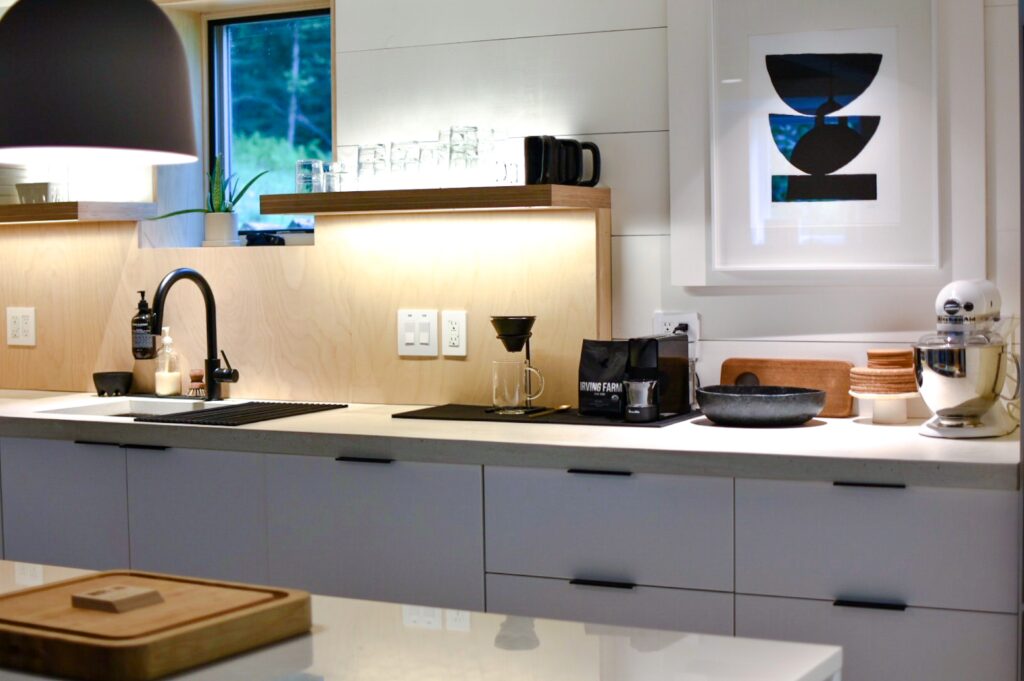
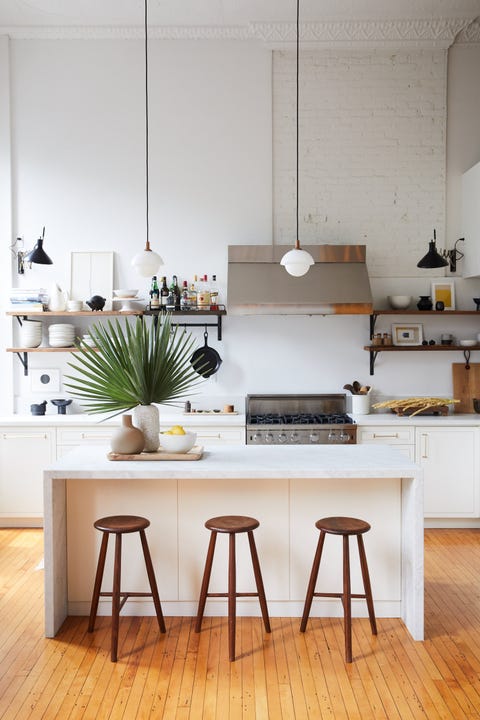
A bright all-white kitchen can be a bit blinding and stark-especially a small one. Painting your cabinets a subtle neutral will maintain than the light and open feel of a white color scheme while bringing in dimension and personality.
All white is classic, but it can get blah, fast. Warm it up and add contrast without breaking out of the light color scheme with a cream and earth-toned rug. Leanne Ford also displayed earthy decor on the floating shelves to bring out the rug.
Hadley Mendelsohn Design Editor Hadley Mendelsohn is House Beautiful's design editor, and when she's not busy obsessing over all things decor-related, you can find her scouring vintage stores, reading, or stumbling about because she probably lost her glasses again.
industrial kitchen

Wednesday, November 6, 2019

How to Pack Your Garage In Five Steps

Packing up a garage when moving can feel like a chore. With a little planning, packing up your garage will ease your mind and possibly fill your wallet! Here are some tips on how to tackle the job.

Guest post by NorthStar Moving Co-Founder Laura McHolm
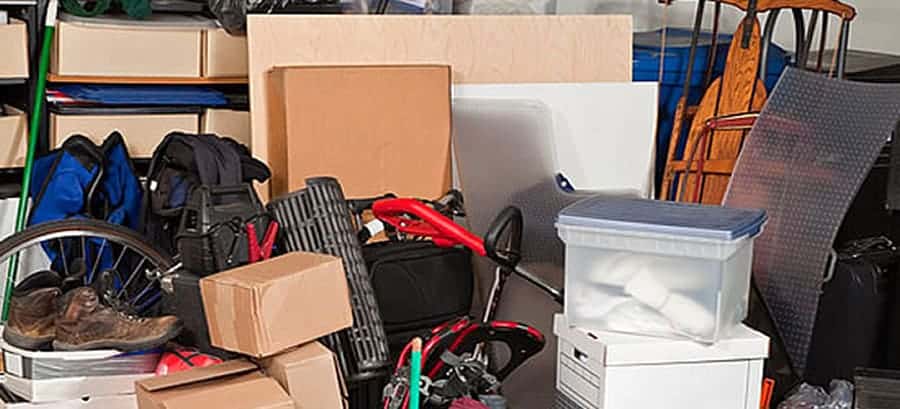
When it comes to packing up your home for a move, the garage is often the last room packed. Let’s face it, we put it off due to the sheer number of things piled up over the years. Garages are full of tools, landscaping equipment and things you don’t want to look at. Often, our garages have become the dumping ground of junk we don’t want in the house. But…there are so many advantages to making the garage the first room you pack up. With a little planning, packing up your garage will ease your mind and possibly fill your wallet! So, how do you tackle packing a garage?
#1: Sort and have a garage sale!
Moving is the time when the garage finally gets cleaned out. Hurray! It doesn’t make much sense to move belongings you have no intention of ever using at the new place. Now is the time to get rid of what you really don’t need: the stroller for your now 10 year-old; the growing collection of sport teams t-shirts; tools never used; etc. But, don’t just toss them out… sell or donate them. If you have the time, a garage sale is a great way to de-clutter and get some extra cash in your pocket.
First, sort items by creating two sections in your garage: one section for the things you are taking with you and one for the stuff you don’t want or need anymore. Then price and tag the unwanted items for your garage sale. The items that don’t sell can be donated. Donate clothing and household items to your local favorite charity such as Goodwill for someone else to enjoy. You can even donate your unwanted furniture to the Habitat for Humanity Restore. Getting rid of items will cut down on your moving expenses and keep your new garage space nice and a great place to get the rest of your house organized!
Image result for garage sale stock photo
#2: Get the right supplies
Get the right stuff for your stuff: the right boxes and supplies paired with the right packing methods are crucial in the success of your entire move. In the garage, most items are heavy and oddly shaped. Be sure to have the following on hand:
– Boxes: Sturdy, recyclable cardboard boxes of various sizes.
– Eco-bubble wrap: Use biodegradable eco-bubble wrap to protect items.
– Packing Tape: Every box needs to be taped, top and bottom, with 2 – 2 1/2 inch gummed or masking tape to give it additional strength and prevent opening, so you’ll need approximately one roll of tape for every 15 to 20 boxes. Run multiple strips of tape along the bottom of the box in both directions to make sure the box stays secure.
– Packing Paper:While ordinary newspaper works fine for some purposes, be aware that the paper’s print will run giving you an extra cleaning task at your new home.
– Blankets:Your mover can provide you with moving blankets for large items.
Tip: Before you start placing your garage belongings into the moving boxes make sure you have secured the boxes bottoms with several layers of packing tape for added protection. Correctly packed boxes paired with the correct moving supplies keep your items safe during storage and transport.
#3: What not pack
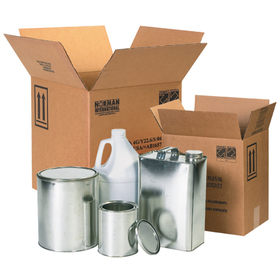
Most garages have hazardous materials that can’t be moved due to safety reasons. Common sense and the law forbids moving companies from moving flammable items such as aerosol cans, paints, gasoline, paint and paint thinners, charcoal, propane tanks, fertilizers, pesticides, chemicals, cleaning supplies, etc. Be sure to properly dispose of these items before your move.
Image result for hazardous materials stock photo
#4: How to pack garage items
– Leave smaller hand tools such as screwdrivers, wrenches, pliers, hammers, etc. in your toolbox and close securely.
– Wrap any items with sharp blades with a few layers of eco-bubble.
– Bundle large garden tools such shovels and rakes together with tape or rope and wrap them with a large moving blanket.
– Preferably pack power tools in their original container. Remove any detachable parts a tool may have, including the batteries, and pack them in the same box.
– Gas operated machinery such as lawn mowers and chain saws must be emptied of their fuel before they are moved.
– Stack outdoor chairs and disassemble other outdoor furniture when possible. Remove cushions and pack them in boxes.
– Wrap fragile flowerpots in eco-bubble. However, keep in mind moving companies cannot move plants across state lines. And your plants won’t survive in storage.
– Clean, defrost and dry: refrigerators and freezers. Wrap them with moving blankets for protection.
– Dissemble bikes as much as you can before the movers get there, remove the handlebars and wheels. If you can, it is best to go to a local bike store and look for an original bike box and use it to pack the bike.
– If a grill is equipped with a propane tank it cannot be moved even if it is empty. And, you cannot move charcoal either. Best to give them away to neighbors. Remove the entire propane tank and the charcoal before you move just the grill.
#5: Label, Label!
Remember that memory card game? It’s hard to find those two matching elephants in rows and rows of cards. Label each box with what contents are on the inside and write the location where this box is going: “Habitat for Humanity Restore” or “GARAGE” and  remember to write “FRAGILE” when needed.
While the garage is often the last room packed in a home, make it your first. It takes a lot of time; from sorting, dealing with odd shaped tricky items to packing and donating. So start early and ask for help! You can also use that empty garage space for moving items out of each room and sorting. Repeat the above steps for each room. Wishing you a stress free move!
Related image

Originally posted by Coldwell Banker Blue Matter Blog

Friday, November 1, 2019

5 Things to Do to Your Grass This Fall

Fall is the best time for lawn care, so when it comes to planning your autumn projects, add these to the list.

By the time fall comes along, and you’ve tended to your grass every single week, pleasant springtime memories of fresh-mown grass smell have long passed. Still, you must get the yard grass ready for winter, especially if you’re planning to put the house up for sale next spring. Fall is the best time for lawn care, so when it comes to planning your autumn projects, add these to the list.

1. Adjust the Lawn Mower Blade

When cutting the grass in late September or early October, set the mowing blades a bit shorter than usual. Lower the blade to the shortest recommended height for your variety of grass. That will help keep grass from matting underneath winter snow, but the turf will be high enough for the roots to stay firmly planted in the soil. Preventing thatch and matting allows snow-covered grass to remain healthy, and leads to a thick, full lawn in March, April, and May.

2. Fertilize

The leaves are changing, and that means it’s time to fertilize the grass. If you haven’t done it this year, test the soil to determine its acidic balance; this lets you know what type of fertilizer to use. The pH scale is from 0 to 14; anything less than 7.0 is acid, and anything above 7.0 is considered alkaline. Whether you choose soil amendmentsorganic, or chemical fertilizers, they must be the proper types for the grass in your yard.  Buy a soil testing kit or contact your local cooperative extension service.

3. Aerate

Speaking of soil, it needs to breathe. Soil compaction occurs in areas where kids are playing, dogs are running, riding lawn mowers are sitting — you get the idea. Compacted soil stops air and water from reaching the roots. (Even those squirmy earthworms can’t get very far!) Fertilizer won’t soak in very well. In short, compacted soil is bad for grass.
Aerating the lawn provides air that lets grassroots thrive. You can do it yourself by hand, but really, the best way to aerate the yard, especially a large one, is to hire a landscaper with the right kind of equipment. Hundreds to thousands of small, cork-like plugs of dirt are removed from the ground, allowing the grass to spread, thicken and breathe.

4. Reseed

The type of grass and condition it’s in determine reseeding requirements, but in any case, this project is better for autumn than in spring.  September is ideal for overseeding cool-season and warm-season grasses. If you live in an area prone to snow, you’ll want to reseed the entire lawn before the first frost. For warmer climates, reseeding the dead and bare patches should bring a nice green carpet, come springtime.

5. Weed Control

The first thing to remember is that weeds will never completely go away, so don’t make yourself crazy over it. But you can control the first outset in spring by applying a pre-emergent herbicide in the fall. It can give you a head start on next spring’s weed-reducing efforts. Follow directions carefully.
As if this weren’t enough, here are a couple more autumn yard projects for you.  Rake and remove fallen leaves so they won’t create a thick mat that will suffocate your lawn over the winter. Continue to water the lawn if you’re not seeing enough rainfall — if it hasn’t entered dormancy, grass should get an inch of water per week.
One thing to note: If you start a project too late in the season, your efforts are wasted. The grassroots will need time to absorb the nutrients from fertilizer. Tender plant seedlings from reseeding won’t survive the cooler temperatures. For a healthy lawn in spring, develop a fall schedule, and stick to it.
Originally posted by Coldwell Banker Blue Matter Blog

Wednesday, October 30, 2019

4 Easy Ways to Get Your Home Ready for Fall

With the dog days of summer in our rearview mirror, it's time to embrace all that fall has to offer-vibrant leaves, crisp apples, chunky knits, a piping hot cup of cider. There's a definite shift in our interiors as well, with windows closed up and darker hours descending. And if you work a nine-to-five, chances are the sun is setting by the time you call it a day.

Thankfully, there are some easy steps you can take to give your home a refreshing makeover for fall. The key, according to Havenly interior designer Annie Mueller, is to create a foundation that lends itself to new layers with each season. Depending on your tastes, this can mean starting with softer hues like beige and gray or a high-low contrast in shades of black and white. Those who favor the bold might prefer a mix of vibrant colors and patterns for an eclectic foundation.

"If you're unsure of where to start, try sticking to a neutral palette for your larger pieces," she explains. "Doing this will ensure you're not pigeon-holed to a specific color story and allow you the flexibility to go bolder with your accessories if you're so inclined."

With this clean slate, follow her genius tips to make your home cozier than a pumpkin spice latte.

Add Seasonal Touches in Moderation

For autumnal decor that is both festive and sophisticated, Mueller says less is more.

"Add a mix of mums and pumpkins to your front porch, making sure to include a variety of widths and heights for interest," she notes. "A unique arrangement in your dining room or living room can give your space all the cozy fall vibes without being overwhelming"

The interior designer recommends starting with some greenery, layering in flowers, and injecting a pop of metallics in gold, silver or rose gold.

Layer Textural Pillows and Throws

Fall is the best time to cuddle up on the sofa and binge-watch your favorite show. Up the cozy factor by adding extra throw blankets in chunky knits, Mueller says. Then, add pillows with textures like velvet, mohair, or faux fur.

"For a modern edge, keep your palette monochromatic," she says. "Or mix colors and patterns like buffalo checkplaid or ticking stripe for a more traditional approach."

Calling all plant lovers: You have our permission to add more greens to your home. (Those plants won't last on the porch once the temperatures drop, anyway.) Mueller loves fiddle-leaf figs, eucalyptus branches, and orchids.

Don't have a green thumb? Don't worry. Try some brighter artwork you might not hang year-round, for example. Mueller says easels make a smart, non-permanent installation.

Create a Signature Home Scent

We all love a good pumpkin candle, but there's a better way to inhale scents of the season without worrying about potential toxins. Mueller is all for a stovetop potpourri.

"Include anything from apples or oranges to cinnamon sticks, vanilla, cloves, pine needles, anise or lemon peels," she recommends. "Add any combo of the above ingredients with water in a pot, let simmer, and breathe in that intoxicating scent of autumn."

But, as Ina Garten always says, store-bought is also fine. If you're on the search for a streamlined scent, purchase pre-packaged potpourri or create a candle cocktail.

Originally published by Apartment Therapy and written by